

If you spend any amount of time in the health and nutrition world online, you’ve probably noticed something unexpected happening lately:
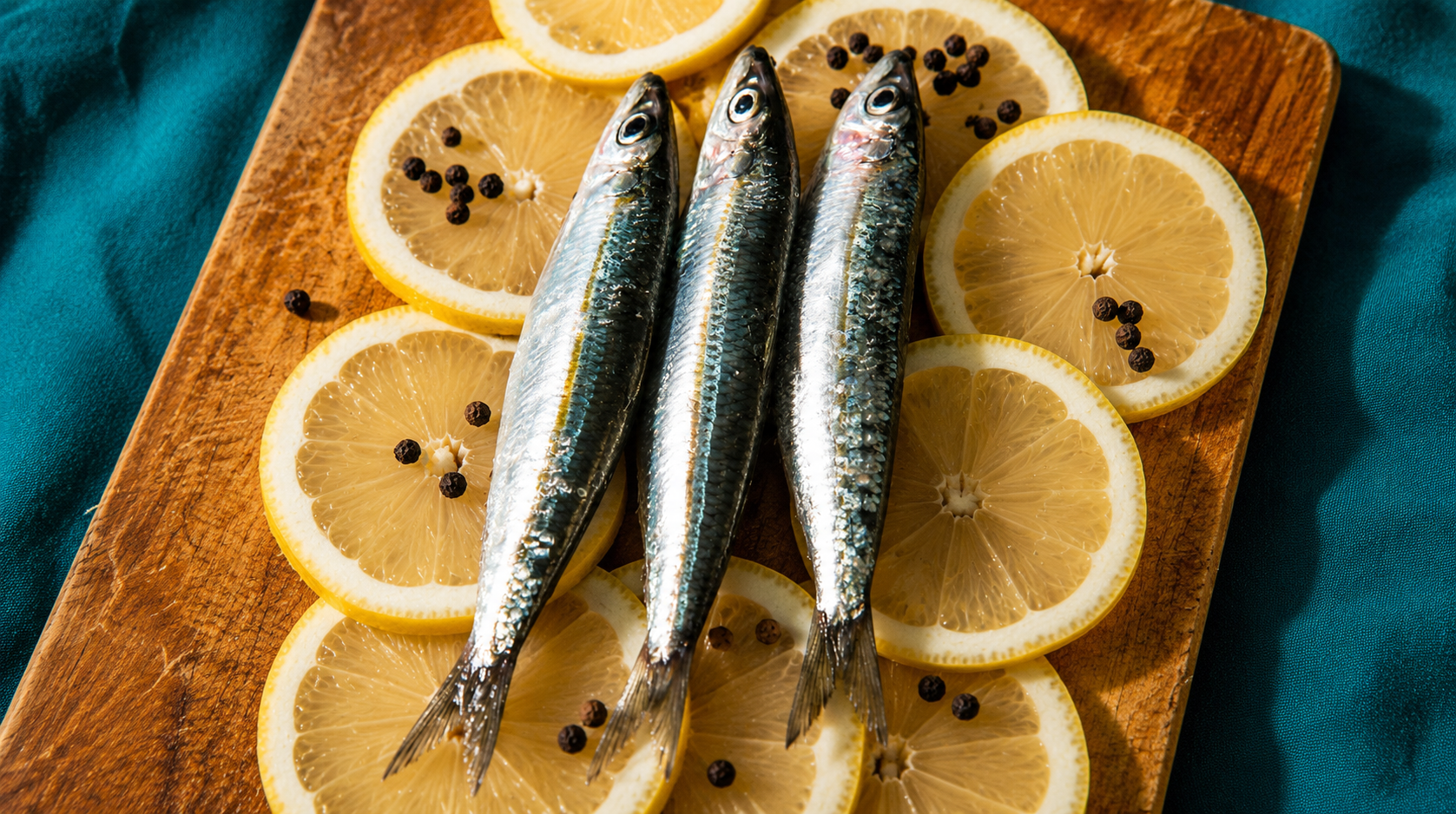
People are talking about peptides and sardines.
Not protein powders.
Not superfoods.
Not expensive biohacking technology.
Let’s focus on the sardines for now.
And more specifically, something called the “sardine fast.”
The concept has gained traction in low-carb, ketogenic, and carnivore communities, with physicians and metabolic health advocates like Dr. Annette Bosworth helping bring attention to the idea as a simple nutritional reset for some individuals.
At first glance, it may sound strange. But when you look a little closer, it actually says a lot about where the health conversation is heading right now.
Why Sardines Are Nutritionally Interesting
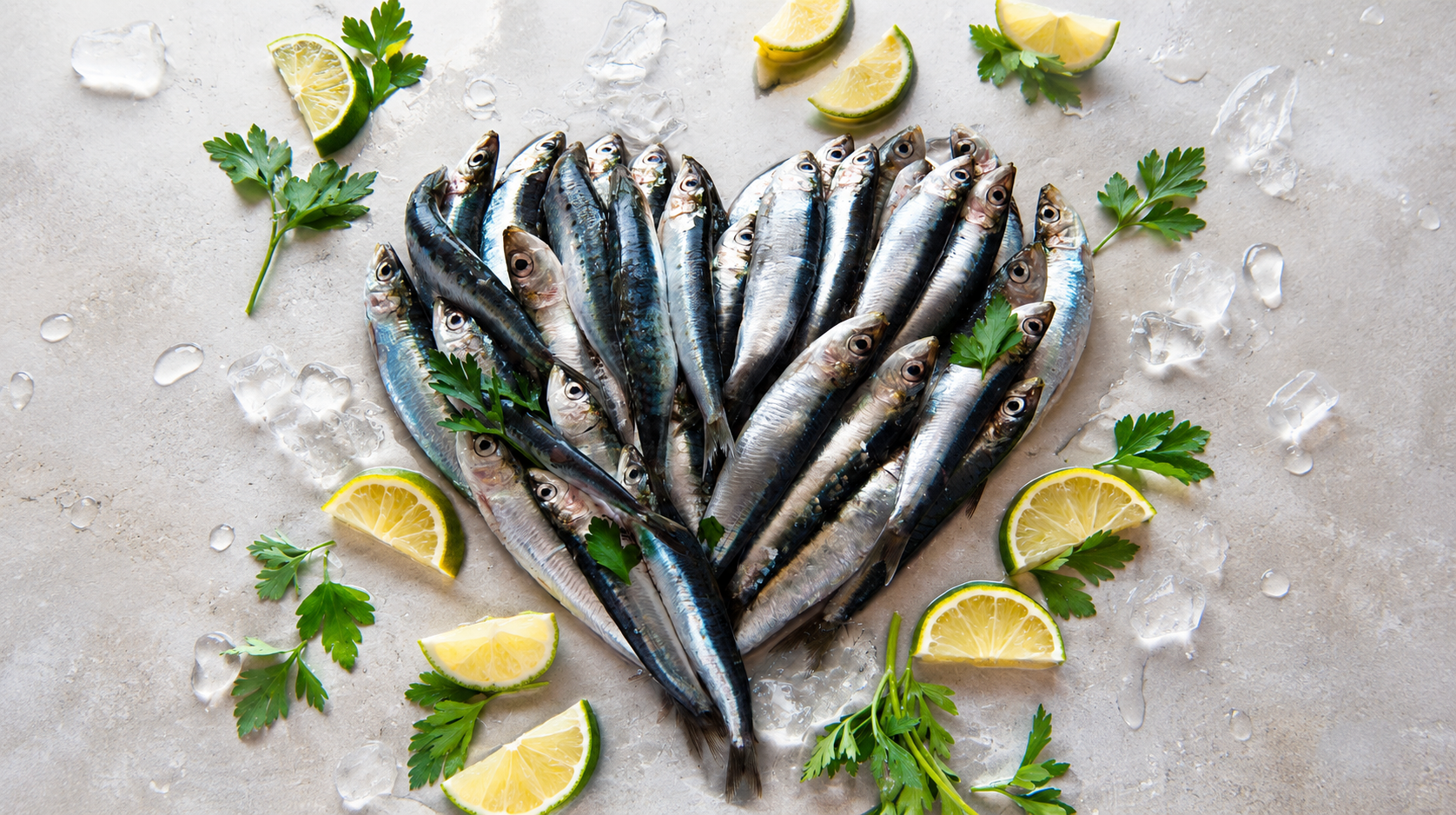
Sardines may not be glamorous, but nutritionally, they pack a surprising punch.
These small fish are rich in:
- Omega-3 fatty acids
- Protein
- Vitamin B12
- Selenium
- Calcium
- Vitamin D
- CoQ10
They’re also lower in mercury compared to many larger fish because they sit lower on the food chain and have shorter lifespans.
And unlike many ultra-processed “health foods,” sardines are about as simple as it gets: real food with minimal ingredients.
That simplicity is part of the reason they’re suddenly getting attention.
What Is a Sardine Fast?
Despite the name, a sardine fast is not technically a fast in the traditional sense.
Most versions involve eating sardines — sometimes alongside water, electrolytes, coffee, tea, or other very simple foods — for a short period of time, often around three days.
The idea is not necessarily calorie restriction.
Instead, people are often using it as a way to:
- simplify eating
- reduce cravings
- break cycles of overeating or snacking
- support ketosis or metabolic flexibility
- reset habits and routines
Some people describe it as removing “decision fatigue” around food for a few days.
Others simply appreciate the nutrient density and satiety sardines provide.
Why Are People Trying It?
One reason this trend has resonated with so many people is because modern nutrition has become incredibly complicated.
People are overwhelmed.
One week something is considered healthy. The next week it isn’t. Every social media platform seems filled with conflicting advice, complicated protocols, and expensive wellness products.
The sardine fast almost feels like a reaction to that.
It represents a return to simplicity.
A simple food.
A simple structure.
Less grazing.
Less snacking.
Less obsessing.
And for some people, that simplicity may help create awareness around eating habits, hunger signals, and food choices.
Of course, sardines themselves are probably not magical.
But the structure and simplicity may be what some people find helpful.
A Few Practical Considerations
As with almost every nutrition trend, context matters.
A sardine fast is not a long-term nutritional strategy, and it’s certainly not something everyone needs to do.
People with medical conditions, nutrient concerns, food sensitivities, eating disorder history, or other health considerations should always use common sense and consult a qualified healthcare professional before making major dietary changes.
And like many things in the health world, it’s important to avoid turning a short-term tool into a rigid belief system.
The bigger takeaway here may not actually be about sardines at all.
It may be about what people are searching for:
- simpler eating patterns
- more nutrient-dense foods
- less processed food
- better appetite awareness
- improved metabolic health
That’s a much bigger conversation.
The Bigger Picture
One of the most interesting shifts happening in health and wellness right now is that people seem to be moving away from the idea that health has to be overly complicated.
More people are rediscovering foundational habits:
- prioritizing protein
- eating fewer processed foods
- improving sleep
- walking more
- strength training
- focusing on recovery
- supporting metabolic health
And in some ways, the sardine conversation fits right into that trend.
Not because sardines are a miracle food.
But because they represent something many people are craving right now:
Simplicity.
At Hack Your Health, we believe some of the best conversations in wellness happen when people stay curious, ask questions, and remain open to exploring different approaches without becoming overly dogmatic.
The sardine fast may or may not be useful for you personally.
But the larger conversation around nutrient density, metabolic health, and simplifying nutrition? That’s probably worth paying attention to.

Robin Switzer
Robin Switzer is the founder behind Hack Your Health, one of the largest health and wellness events in the U.S. After overcoming personal struggles with metabolic health issues, she turned pain into purpose by creating a trusted space where people can cut through the noise and misinformation in nutrition, fitness, and longevity. Blending science, education, and community, her movement has grown into an annual wellness conference featuring 60+ expert speakers, workshops, live demos, and a vibrant health expo—a hub for anyone ready to transform their health, optimize their wellbeing, and thrive at every stage of life.