


What the research says about one of the most talked-about supplements for muscle, brain health, and healthy aging.
Over the past year, I’ve noticed creatine becoming one of the most discussed supplements in health, longevity, and performance circles. As more physicians, researchers, and educators I respect began discussing its benefits—not just for athletes, but for healthy aging and brain health—I decided to take a closer look.
What I found surprised me.
For decades, creatine was viewed primarily as a supplement for bodybuilders and competitive athletes. Today, researchers are studying its potential role in preserving muscle, supporting healthy aging, maintaining cognitive function, and helping our cells produce energy more efficiently.
So, what changed?
The supplement didn’t.
Our understanding of it did.
Creatine is now one of the most extensively researched supplements available, with hundreds of clinical studies exploring its safety and effectiveness. While much of the early research focused on athletic performance, newer studies are examining its role in muscle preservation, healthy aging, brain health, and overall cellular energy production.
What Is Creatine?
Creatine is a naturally occurring compound produced by the body from three amino acids: arginine, glycine, and methionine. It’s also found naturally in foods such as red meat and seafood. Once absorbed, most creatine is stored in skeletal muscle, with smaller amounts found in the brain and other tissues. Its primary role is helping your cells rapidly produce energy by recycling ATP, making it especially important in tissues with high energy demands like muscles and the brain.
Why the Brain Is Suddenly Part of the Conversation
Although your brain accounts for only about 2% of your body weight, it consumes roughly 20% of your daily energy. Researchers are investigating whether maintaining adequate creatine stores may help support cognitive performance during periods of mental fatigue, sleep deprivation, aging, or increased stress. While research is still evolving, this growing interest reflects a broader understanding of creatine’s role in overall cellular energy metabolism.

HYH Insight
Your brain is one of the body’s most energy-demanding organs. Every thought, memory, conversation, and decision depends on efficient cellular energy production. That’s one reason creatine has become such an exciting area of research in healthy aging and cognitive wellness.
Beyond Building Muscle
Researchers continue to study creatine for its potential role in supporting healthy aging, preserving lean muscle mass, enhancing recovery from resistance training, supporting bone and muscle health when combined with exercise, maintaining cognitive performance during periods of sleep deprivation, and supporting overall cellular energy production. Muscle health is about much more than strength—it also supports metabolism, mobility, balance, independence, and overall health.
Who May Benefit Most?
People who may benefit from discussing creatine supplementation with their healthcare provider include older adults, people engaged in resistance training, vegetarians and vegans, people who eat little red meat or seafood, and individuals interested in supporting muscle and brain health.
Separating Fact from Fiction
Creatine is not just for bodybuilders. Temporary increases in water stored inside muscle cells are not the same as gaining body fat. Numerous studies have found creatine to be safe in healthy individuals when used at recommended doses. Despite the marketing around newer forms, creatine monohydrate remains the gold standard used in the overwhelming majority of clinical research.
Choosing a Quality Creatine Supplement
When selecting a creatine supplement, look for creatine monohydrate, third-party testing, minimal ingredients, and transparent sourcing. At Hack Your Health, one product that stands out is Myoxcience Creatine Monohydrate. It uses premium German-manufactured Creavitalis® creatine monohydrate, emphasizes purity and transparency, and focuses on the form of creatine that has been used in the overwhelming majority of clinical research.
Practical Tips for Taking Creatine
Research suggests 2–5 grams of creatine monohydrate daily is sufficient for most people interested in supporting exercise performance and general wellness. Take it consistently, stay hydrated, and consider taking it with a meal or around exercise.
Hack Your Health Takeaway
Creatine isn’t a shortcut to better health—but it is one of the most extensively researched supplements available today. It works best when combined with quality nutrition, regular movement, restorative sleep, stress management, and proper hydration.
The Bottom Line
Today’s research suggests creatine may support healthy aging, muscle preservation, brain energy metabolism, and overall cellular function. While no supplement replaces healthy lifestyle habits, creatine has earned its place as one of the most well-studied supplements available today.
Food for Thought
If creatine has been studied for more than 30 years, why are so many people only hearing about it now? Sometimes the most valuable health conversations aren’t about discovering something new—they’re about taking a fresh look at what we’ve known all along.
Why We Recommend Myoxcience
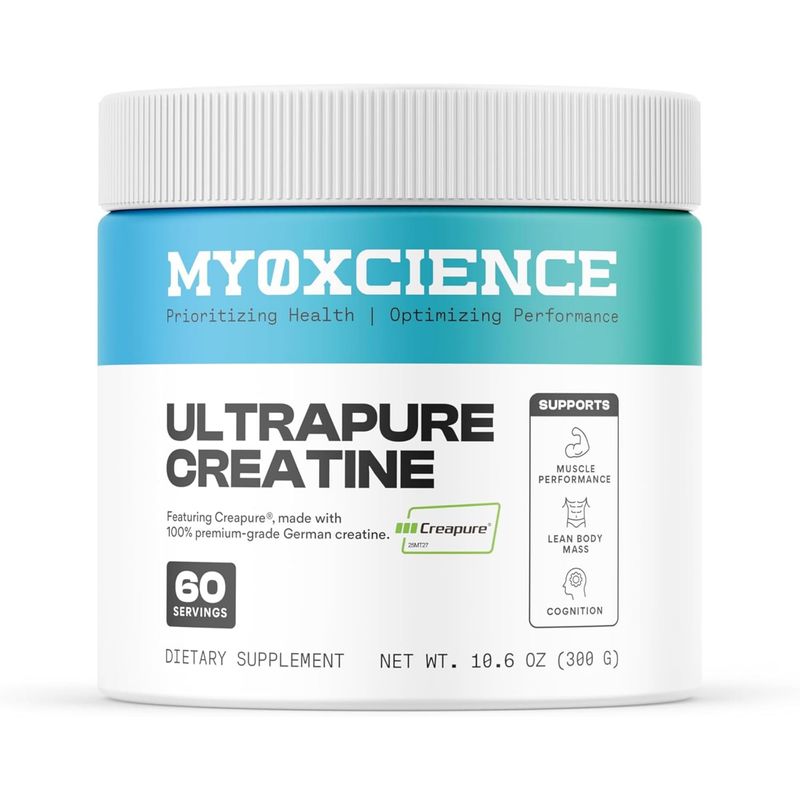
At Hack Your Health, we believe that ingredient quality matters just as much as the ingredient itself.
That’s why we recommend Myoxcience for anyone looking to add creatine to their daily routine.
Rather than using generic creatine, Myoxcience sources 100% Creavitalis® micronized creatine monohydrate, a premium form manufactured exclusively in Germany under strict quality standards. Creavitalis® is recognized for its high purity, excellent solubility, and rigorous manufacturing controls.
We also appreciate Myoxcience’s commitment to transparency. Their formula contains only creatine monohydrate—without proprietary blends, unnecessary fillers, or trendy ingredients designed more for marketing than results. That simplicity matters because creatine monohydrate remains the form used in the overwhelming majority of clinical research supporting creatine’s safety and effectiveness.
Another reason we recommend Myoxcience is founder Mike Mutzel’s evidence-based approach to health education. Rather than chasing supplement trends, his focus has consistently been on helping people understand the science behind nutrition and selecting ingredients backed by meaningful research.
When choosing a creatine supplement, look for:
- Creatine monohydrate
- Transparent ingredient sourcing
- High manufacturing standards
- Third-party quality testing when available
- A company committed to science-based education
For us, Myoxcience checks those boxes.
References
- Kreider RB, Kalman DS, Antonio J, et al. International Society of Sports Nutrition Position Stand: Safety and Efficacy of Creatine Supplementation in Exercise, Sport, and Medicine. Journal of the International Society of Sports Nutrition. 2022.
- Candow DG, Forbes SC, Chilibeck PD, et al. Creatine Supplementation and Healthy Aging. Nutrients.
- Forbes SC, Candow DG, Krentz JR, et al. Creatine Supplementation and Brain Health. Nutrients.
- Rawson ES, Venezia AC. Use of Creatine in Older Adults and Aging Populations. Journal of Strength and Conditioning Research.
- Antonio J, Candow DG, Forbes SC, et al. Common Questions and Misconceptions About Creatine Supplementation: What Does the Scientific Evidence Really Show? Journal of the International Society of Sports Nutrition.

Robin Switzer
Robin Switzer is the founder behind Hack Your Health, one of the largest health and wellness events in the U.S. After overcoming personal struggles with metabolic health issues, she turned pain into purpose by creating a trusted space where people can cut through the noise and misinformation in nutrition, fitness, and longevity. Blending science, education, and community, her movement has grown into an annual wellness conference featuring 60+ expert speakers, workshops, live demos, and a vibrant health expo—a hub for anyone ready to transform their health, optimize their wellbeing, and thrive at every stage of life.