How Chronic Stress, Hormesis, and Daily Habits Shape Your Health
By Debbie Potts, FDN-P, F-NTP, NASM-CPT
Guest Contributor Series
At Hack Your Health, we believe some of the best health insights come from experienced practitioners who are helping people improve their health every day. Through our Guest Contributor Series, we invite trusted practitioners, educators, and industry leaders to share evidence-informed perspectives that encourage thoughtful conversation and empower readers to make informed decisions about their health.
This week’s article is written by Debbie Potts, FDN-P, F-NTP, NASM-CPT, a health and performance coach with more than 30 years of experience in fitness, nutrition, functional health, metabolism, and healthy aging. After experiencing her own health crisis in 2013, Debbie shifted her work toward understanding how accumulated stress, recovery, lifestyle, and daily habits influence the body’s ability to adapt and build resilience. In Part 2, Debbie explores the science that helped her make sense of her own experience and why she believes the daily signals we send our bodies can influence resilience, recovery, and the way we age.
If you missed Part 1, Debbie shared the health crisis that began in 2013 and the realization that what she once viewed as a broken body may have been a body adapting to years of accumulated stress.
Why Does the Body Respond the Way It Does?
As I became more curious about the WHY behind what happened to me, I started asking a different question: Why does the body respond the way it does?
Why can two people follow the same nutrition plan and exercise program yet experience completely different results? Why do strategies that worked in our twenties and thirties sometimes stop working after forty?
The more I studied, the more one simple idea kept showing up: the body is constantly receiving information.
Food, movement, exercise, sleep, light, breathing, recovery, stress, relationships, and purpose all become biological signals. Our bodies respond to those signals and adapt.
Homeostasis, Allostasis, and the Stress Beaker
Researchers have been describing different aspects of this process for decades. Physiologist Walter Cannon introduced the concept of homeostasis—the body’s ongoing effort to maintain internal stability.
Later, researchers including Dr. Bruce McEwen expanded the conversation through the concepts of allostasis and allostatic load. In simple terms, the body adjusts to challenges in order to keep functioning, but the cumulative burden of repeated or chronic stress can eventually exceed our capacity to recover.
This is where my Stress Beaker analogy became even more meaningful. Training, poor sleep, blood sugar swings, inflammation, hormonal changes, work stress, grief, relationships, environmental exposures, and other stressors may look very different, but they all contribute to the total load the body has to manage.
Not Too Much. Not Too Little. Just Enough.
Another concept that has become central to my work is what I call the Goldilocks Effect: not too much, not too little, but just enough.
We need some stress. In fact, the body can become stronger when it is exposed to an appropriate challenge followed by enough recovery. Scientists often describe this as hormesis.
Strength training is a good example. Exercise challenges muscle tissue, and during recovery the body repairs and rebuilds. Short bouts of heat or cold exposure can also act as hormetic stressors. The challenge is temporary, recovery follows, and the body adapts.
The problem is when the faucet never stops dripping. Chronic stress doesn’t provide the same clear challenge-and-recovery cycle. When stress keeps accumulating without enough recovery, the body may begin prioritizing protection and survival over growth and performance.
The Nervous System and Mitochondria Adapt, Too
Work from researchers such as Dr. Stephen Porges has helped expand our understanding of how the nervous system continually responds to cues from both inside and outside the body.
Dr. Robert Naviaux’s work on the Cell Danger Response also caught my attention when I was trying to understand why I felt as though my energy system had shifted into “low battery mode.” His research explores how cells can shift their priorities toward protection when they perceive ongoing threats.
Research from Dr. Martin Picard has further explored the relationship between psychological and physiological stress and mitochondria—the structures inside our cells that play a central role in energy production.
These ideas helped me reinterpret my own experience. Instead of seeing my body as something I needed to fight, I began asking what it might be responding to and what signals I could change.
Build the Foundation Before You Decorate the House
Years before I understood all of this science, I had created what I called The WHOLESTIC Method—a framework built around strengthening the foundations of health from the inside out.
That philosophy has only become stronger over time. Nutrition, movement, strength training, sleep, stress resilience, digestion, gut health, hydration, minerals, purpose, play, and gratitude may not sound as exciting as the latest longevity technology, but they create the foundation everything else sits on.
I often tell my clients and podcast listeners: we can’t out-exercise poor nutrition. We can’t out-supplement poor lifestyle habits. And we certainly can’t out-biohack weak foundations.
As longevity conversations increasingly include peptides, hormone therapy, supplements, wearables, and advanced therapies, I believe we should ask one question before adding the next intervention:
Have we built the foundation of the house before we started decorating it?
Creating The FutureYou Method™
That philosophy eventually evolved into what I now call The FutureYou Method™.
It isn’t about finding one magic supplement or following one perfect protocol. It’s about understanding the signals we create every day and intentionally choosing habits that support health, recovery, and resilience.
The choices we make today—our meals, workouts, sleep, movement, recovery, relationships, and even how much time we spend scrolling—become repeated signals. Over time, the body adapts to those signals.
That is why I believe the future version of you is being built today.
What Can You Do Today?
You don’t have to overhaul everything at once. Start by looking honestly at your foundations.
Are you eating in a way that supports your energy and metabolic health? Are you building and maintaining muscle? Are you giving your body enough time to recover from exercise? Are you sleeping well? Are you managing the stressors you can control? Are you making room for relationships, purpose, gratitude, and play?
Then ask a question that changed everything for me:
What has my body been adapting to?
Ten years ago, I thought I had written a book about burnout. Today, I realize I was beginning a journey that would completely change the way I understand health.
My hope is that my story reminds you that no matter where you are in your health journey, it is never too late to begin strengthening your foundations and building resilience from the inside out.
Your choices today matter because they help shape the person you become tomorrow.
Life isn’t a race. It truly is a journey.
About the Author
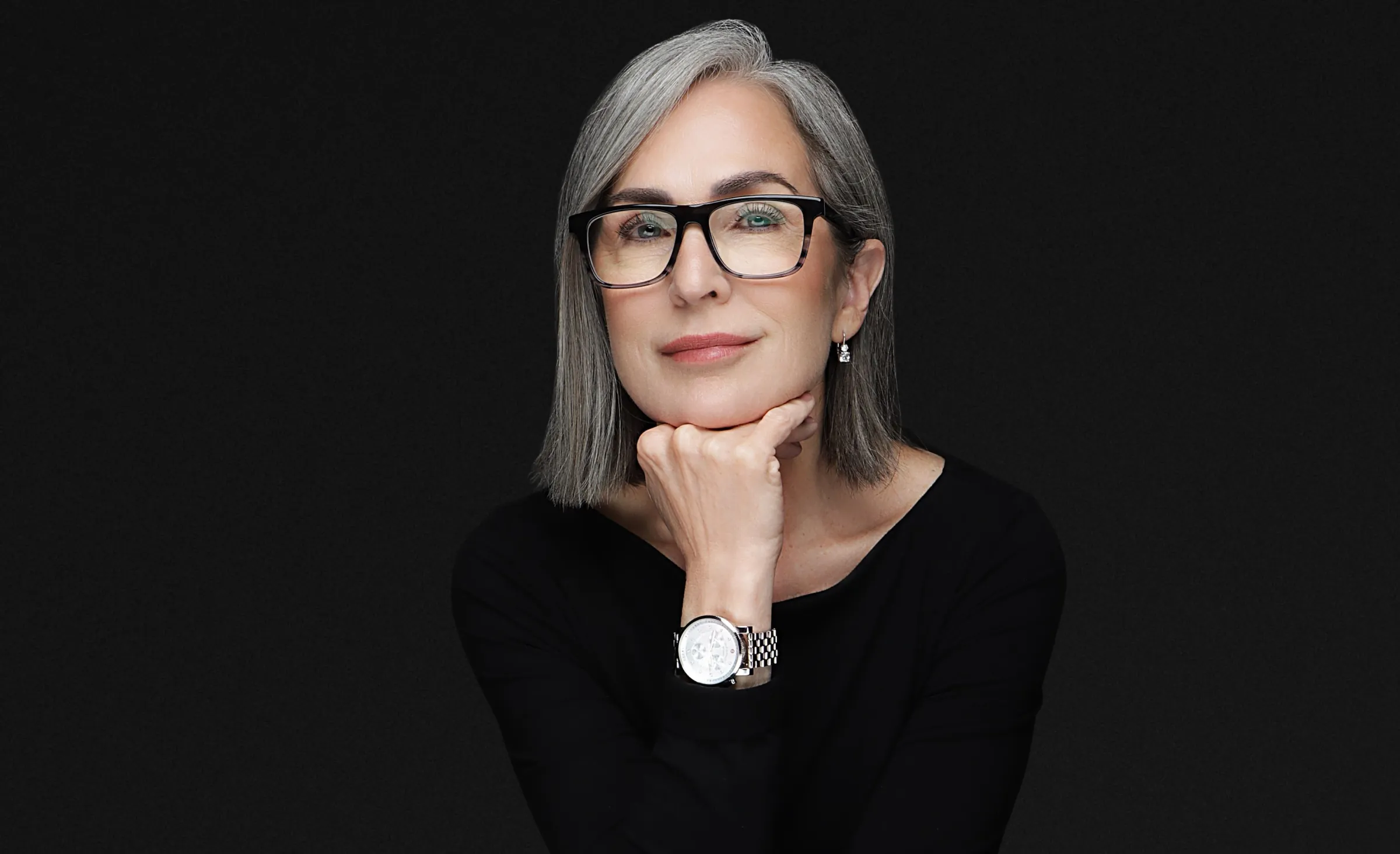
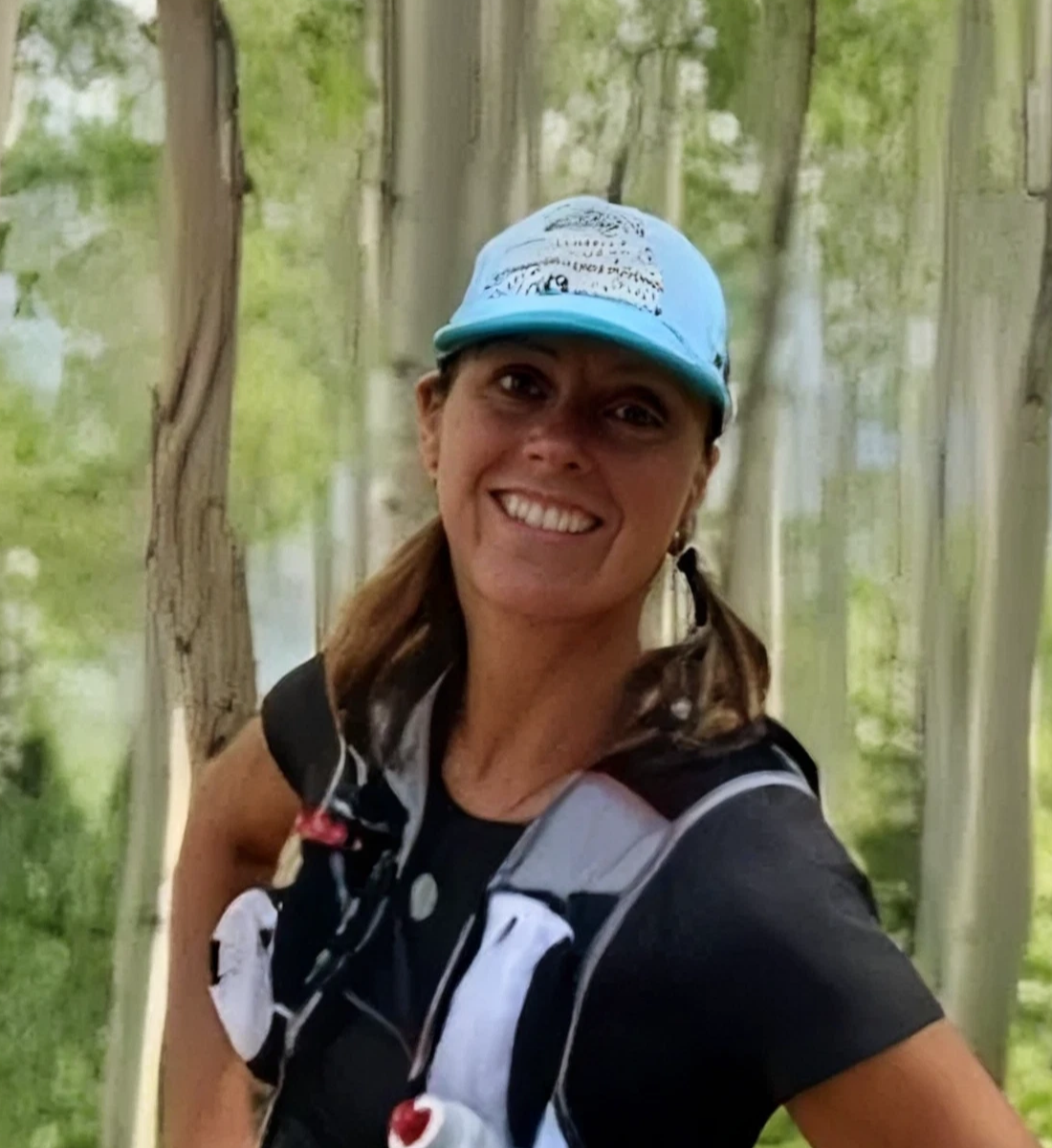
Debbie Potts, FDN-P, F-NTP, NASM-CPT, is the creator of The FutureYou Method™, a science-informed framework that helps active adults over 40 build resilience by improving the daily signals that influence metabolism, muscle health, recovery, and healthy aging. A health and performance coach for more than 30 years, Debbie is a Functional Diagnostic Nutrition Practitioner, Nutritional Therapy Practitioner, PNOĒ Metabolism Specialist, podcast host, speaker, and former professional fitness studio owner. After overcoming her own health crisis in 2013, she has dedicated her career to helping others stop fighting their bodies and start understanding how they are designed to adapt. Her mission is simple: Build Resilience from the Inside Out.