
What Burnout Taught Me About Chronic Stress, Recovery, and Resilience
By Debbie Potts, FDN-P, F-NTP, NASM-CPT
Guest Contributor Series
At Hack Your Health, we believe some of the best health insights come from experienced practitioners who are helping people improve their health every day. Through our Guest Contributor Series, we invite trusted practitioners, educators, and industry leaders to share evidence-informed perspectives that encourage thoughtful conversation and empower readers to make informed decisions about their health.
This week’s article is written by Debbie Potts, FDN-P, F-NTP, NASM-CPT, a health and performance coach with more than 30 years of experience in fitness, nutrition, functional health, metabolism, and healthy aging. After experiencing her own health crisis in 2013, Debbie shifted her work toward understanding how accumulated stress, recovery, lifestyle, and daily habits influence the body’s ability to adapt and build resilience. In Part 1 of this two-part series, Debbie looks back on the health crisis that changed the direction of her work and the realization that recovery required more than simply trying harder.
Ten Years Later
This November marks two meaningful milestones for me. As I join the Hack Your Health community once again, I’m also celebrating the 10-year anniversary of publishing my book, Life Is Not a Race—It Is a Journey.
When I wrote that book in 2016, my hope was simple: if sharing my story could help even one person avoid going through what happened to me in 2013, every setback would have been worth it. At the time, I believed my story was about recovering from burnout after years of doing too much of everything.
Ten years later, I see it differently. My biggest lesson wasn’t simply about burnout. It was about learning how the human body adapts to the signals we create every single day.
Looking back now, I don’t believe my body failed me. My body wasn’t broken. It was adapting.
When Everything Changed
For more than 30 years, I’ve worked in the health and fitness industry. My passion started in college, where I managed the health and wellness center on campus before moving into fitness management, personal training, and eventually owning my own fitness and wellness studio.
After years of coaching clients, I realized something important: I couldn’t expect someone to reach their health goals by seeing me for one or two hours each week if the other 165 hours were working against them. That realization led me into holistic health, functional medicine, nutrition, and eventually Functional Diagnostic Nutrition. I wanted to understand the WHY behind people’s symptoms—not simply help them lose weight or improve their fitness.
Then, ironically, I became my own most challenging client.
In March 2013, I was doing everything I believed was right as a health and fitness professional, competitive age-group athlete, and health optimizer. I was racing Ironman triathlons, marathons, long-distance cycling events, and trail races. I trained almost every day while running my business, coaching clients, teaching classes, and trying to be everything to everyone.
I was also serious about nutrition. I ate real food, followed a low-carbohydrate ketogenic approach, avoided sugar and alcohol, and included plenty of healthy fats. I did fasted workouts, trained in my fat-burning Zone 2, lifted weights, practiced yoga, and walked throughout the day.
From the outside, I looked healthy. Inside, everything was changing.
When My Body Stopped Cooperating
Almost overnight, my energy disappeared. My afternoon workout sessions became opportunities to take a 45-minute nap just so I could get through the rest of the day.
My sleep fell apart. I would lie awake at 2 a.m., stressed because I couldn’t sleep. Recovery from workouts slowed, and running and cycling suddenly felt much harder. I was also entering my early forties, when hormonal changes associated with perimenopause may have been adding another layer of stress.
Despite making no major changes to my nutrition, I gained nearly 30 pounds in three months.
I couldn’t understand it. How could someone who had dedicated her life to health suddenly feel so unhealthy? It was frustrating, depressing, and, as someone who had spent years serving as a health and fitness role model, embarrassing.
At the time, I was told I had “adrenal exhaustion.” Others called it HPA-axis dysfunction. I searched for answers through conventional medicine, functional medicine, nutrition, hormone specialists, and countless lab tests. I wanted someone to explain why this was happening.
Writing Life Is Not a Race—It Is a Journey became part of my healing. It forced me to slow down, reflect, and begin asking better questions. At the time, I thought I had learned the biggest lesson of my life. Looking back now, I realize I had uncovered only part of the story.
The Missing Piece
Over the next decade, I continued studying metabolism, functional medicine, muscle physiology, mitochondrial health, nervous system regulation, healthy aging, and human performance. The more I learned—and the more clients I worked with—the more I realized my story wasn’t unique.
Maybe your story doesn’t include Ironman triathlons. Maybe your stress comes from raising children while working full-time, building a business, caring for aging parents, navigating perimenopause, recovering from illness, dealing with an unhealthy environment, or trying to balance work, family, finances, and everyday life.
The details may be different, but stress still accumulates.
When I was struggling, I kept searching for the next supplement, the next protocol, or the next practitioner who could “fix” me. Meanwhile, life kept adding more stress: difficult business relationships, closing my fitness studio after more than ten years, moving from Bellevue, Washington, to North San Diego during the pandemic, starting my business over, losing my dad, and helping care for my aging mom.
Eventually, I realized it wasn’t just the training. It wasn’t just under-fueling. It wasn’t just poor recovery. It was the total load.
The Stress Beaker
I often explain this using what I call the Stress Beaker, a concept I learned during my Nutritional Therapy Practitioner training. Imagine every stressor adding another drop to the same container.
Training. Poor sleep. Blood sugar swings. Inflammation. Gut dysfunction. Hormonal changes. Work stress. Grief. Relationships. Environmental exposures. Perfectionism.
One drop may not be a problem. But when the stressors keep coming and recovery doesn’t keep pace, eventually the beaker overflows.
That realization changed how I looked at my own experience. I didn’t need more discipline. I needed more resilience.
And resilience isn’t about avoiding every form of stress. It’s about building the capacity to respond to stress, recover from it, and adapt.
My Body Wasn’t Broken
For years, I thought my body had betrayed me. Today, I see those years through a different lens.
My body wasn’t simply working against me. It was responding to the environment, training, recovery, nutrition, emotional stress, and other signals I was giving it day after day.
That shift—from asking “What’s wrong with me?” to asking “What has my body been adapting to?”—became one of the most important changes in the way I think about health.
In Part 2, I’ll explore the science that helped me understand this experience, including allostasis, hormesis, chronic stress, mitochondrial adaptation, and why the foundations of health matter more than ever as we age.
Because life isn’t a race. It truly is a journey.
We’ll see you next week with Part 2
Free Monthly Masterclass: Why Your Body Isn’t Broken—It’s Adapting
About the Author
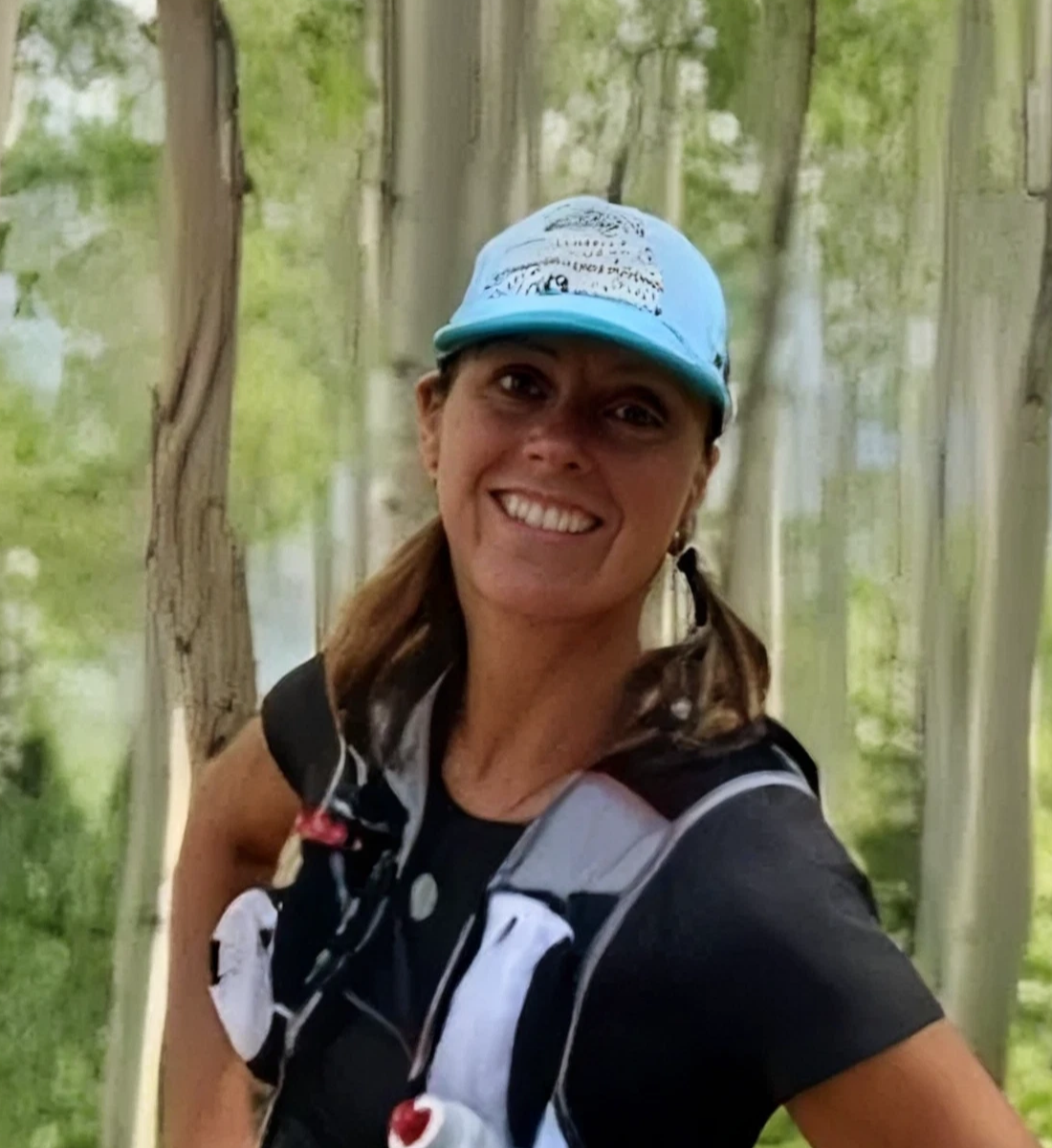
Debbie Potts, FDN-P, F-NTP, NASM-CPT, is the creator of The FutureYou Method™, a science-informed framework that helps active adults over 40 build resilience by improving the daily signals that influence metabolism, muscle health, recovery, and healthy aging. A health and performance coach for more than 30 years, Debbie is a Functional Diagnostic Nutrition Practitioner, Nutritional Therapy Practitioner, PNOĒ Metabolism Specialist, podcast host, speaker, and former professional fitness studio owner. After overcoming her own health crisis in 2013, she has dedicated her career to helping others stop fighting their bodies and start understanding how they are designed to adapt. Her mission is simple: Build Resilience from the Inside Out.