


How Digestion, Stomach Acid, and Nutrient Absorption Affect Your Health
Guest Contributor Series
This week’s Hack Your Health Journal article was written by Dr. Rachel Shuck, integrative healthcare practitioner, clinical nutritionist, educator, and founder of Next Level Nutrition.
Dr. Shuck specializes in metabolic health, gut function, and root-cause approaches to chronic symptoms. Through her work with clients, she helps individuals better understand the connection between digestion, nutrient absorption, and overall health.
In this guest contributor article, Dr. Shuck explores a concept that is often overlooked in conversations about nutrition: it doesn’t matter how healthy your food is if your body isn’t properly digesting and absorbing it.
The following article is written by Dr. Rachel Shuck and reflects her professional experience, perspective, and opinions.
This Article Is Part of a Two-Part Series
In this two-part Guest Contributor Series, Dr. Rachel Shuck explores the often-overlooked connection between digestion, stomach acid, nutrient absorption, and overall health.
Part 1: Why digestion matters, how nutrient absorption works, and the critical role stomach acid plays in breaking down food.
Part 2: Common habits that may impair digestion, practical strategies to support stomach acid production, and a real-world client success story.
Be sure to look for Part 2 next week in the Hack Your Health Journal.
With a tagline like “Food is Medicine,” you would think that I would fully embrace the motto “you are what you eat,” but I just can’t get behind it.
At the risk of sounding contrite, I am compelled to point out that in actuality, you are not what you eat.
You are what you absorb.
And if your digestion is subpar, you’re not absorbing much of anything.
When you’re not absorbing nutrients properly, two things happen:
- Your cells no longer have access to critical nutrients.
- Harmful bacteria that should not have made it past strong stomach acid can move into other parts of the digestive tract and create chaos.
The good news?
All is not lost.
When we remove what’s weighing the body down and give it what it’s been missing, digestion can come back online and start doing what it was designed to do.
So how do we get digestion to go from struggling and sputtering to working the way it was designed to?
To answer that, we need to take a peek behind the velvet rope.

Why Nutrient Absorption Matters
Think of your digestive system as the bouncer at a really exclusive nightclub.
If it’s truly exclusive, not everyone gets in.
Sometimes that’s a good thing.
Sometimes the most important guests get turned away—which is a very, very bad thing.
Or worse yet, the VIP list somehow doesn’t even get the invitation, so they never show up.
Let’s start with the VIPs.
If they don’t get the invite, your body is missing critical tools that your cells need to do their jobs.
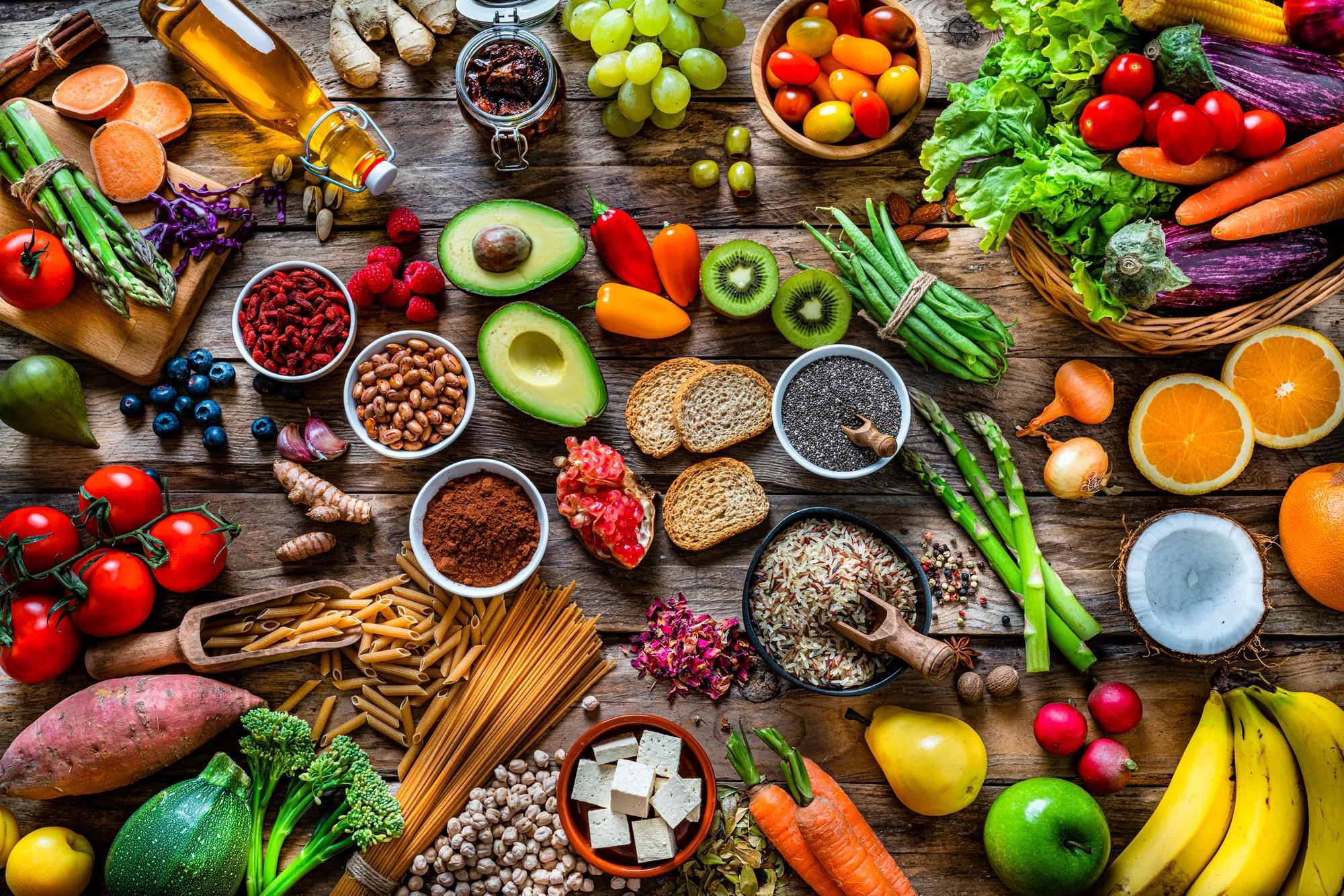
The VIPs are the macro and micronutrients you get from your food:
- Vitamins
- Minerals
- Enzymes
- Amino acids
- Phytonutrients
It’s important that they show up.
But even if they do show up—meaning you’re eating the most organic, grass-fed, pasture-raised food money can buy—if your gut isn’t absorbing the nutrients in those foods, it’s like showing up to a swanky nightclub wearing socks with flip-flops.
The same thing can be said about expensive supplements.
They can be powerful tools, but only if they make it through the digestive process and get delivered into the cells that need them.
Ultimately, your digestive system decides who makes it past the velvet rope.
If it has the resources to do its job correctly, the guest list looks something like this:
- Vitamins? Come on in.
- Minerals? Right this way.
- Enzymes? Follow me.
- Inflammation-causing, half-chewed mystery meal from last night’s gas station taco? Yeah… no. Out you go.
Digestion Starts Before You Eat
Digestion is so important that it begins before even a morsel of food crosses your lips.
The aroma of food, the sight of food, and sometimes even the thought of food can stimulate the secretion of gastric juices.
Think about how your mouth waters when you see something delicious.
This is called the cephalic phase of digestion.
Next comes chewing.
Chewing is your first opportunity to break food down into something your body can actually use.
The problem?
Most of us chew like we’re competing in a speed-eating contest at a county fair.
For the love of Pete, slow down.
You’ve got enzymes in your saliva that are literally designed to start the breakdown of carbohydrates.
But they need a minute.
You’re not a seagull swallowing a hot dog whole.
If you take only one thing away from this article, let it be this:
Chew. Chew. Chew your food.
Think of it like “Row, Row, Row Your Boat.”
You have to row to get somewhere.
And you have to chew to get your food where it needs to go.
Every bite you thoroughly chew is like handing the bouncer a clear guest list instead of a crumpled napkin with names scribbled on it.
The Important Role of Stomach Acid
Once food makes it past the esophageal sphincter, it enters the stomach.
While there is much more to digestion and nutrient absorption—most of which occurs in the small intestine—I want to focus on a common issue I frequently see with clients:
The suppression of stomach acid.
Stomach acid is not your enemy.
It’s often portrayed as the villain when, in reality, it’s been trying to help all along.
In fact, stomach acid is less like the villain and more like the head of security.
It’s checking IDs, keeping unwanted troublemakers out, and making sure the right guests get where they need to go.
Ironically, some of the classic signs associated with low stomach acid include:
- Bloating
- Burping
- A feeling of fullness after meals
- Food feeling like it “sits” in the stomach
- Acid reflux
- Heartburn
- Nausea
Many people assume symptoms like reflux or indigestion are caused by excessive stomach acid. However, some practitioners believe low stomach acid or impaired digestion may also contribute to these symptoms in certain individuals.
Either way, simply suppressing symptoms may not address the underlying issue or improve the body’s ability to properly break down food.
Long-term suppression of stomach acid can also affect nutrient absorption, particularly nutrients such as calcium, iron, and vitamin B12.
Your stomach produces pepsin, an enzyme that helps break down protein, along with hydrochloric acid (HCl), which helps defend against potentially harmful microbes and assists in releasing nutrients like:
- Vitamin B12
- Iron
- Zinc
All of these nutrients play important roles in energy production, hormone health, and overall function.
Low stomach acid can make it more difficult to properly break down food—which means it may become more difficult to absorb the nutrients contained within that food.
Continue the Series Next Week
In Part 2, Dr. Shuck shares three common ways people unintentionally impair digestion, why stomach acid matters more than most people realize, and a real-world client story that demonstrates how improving digestion may improve nutrient absorption.
Don’t miss next week’s installment of this Guest Contributor Series.

Connect with Dr. Rachel Shuck
Dr. Rachel Shuck, D.Sc., is an integrative healthcare practitioner and clinical nutritionist specializing in metabolic health, gut function, and root-cause approaches to chronic disease. She combines her experience as an educator, clinician, speaker, and one-on-one health practitioner to help people uncover the underlying drivers of chronic symptoms and restore health through nutrition and lifestyle interventions.