What Is the REAL Benefit of Cold Exposure?
It’s hard to scroll through social media right now without seeing someone sitting in an ice bath.
Cold plunges have become one of the most recognizable trends in the wellness and performance world. Athletes are using them. Wellness centers are adding them. Recovery studios are building entire experiences around them.
And here in Florida — where it feels like 90 degrees before lunchtime some days — the idea of cold exposure suddenly sounds a lot more appealing.
But beyond the social media clips and wellness trends, it raises a bigger question:
What are people actually getting from cold exposure?
Because the real conversation may not be about the cold itself.
Cold Exposure Is a Stressor — and That’s the Point
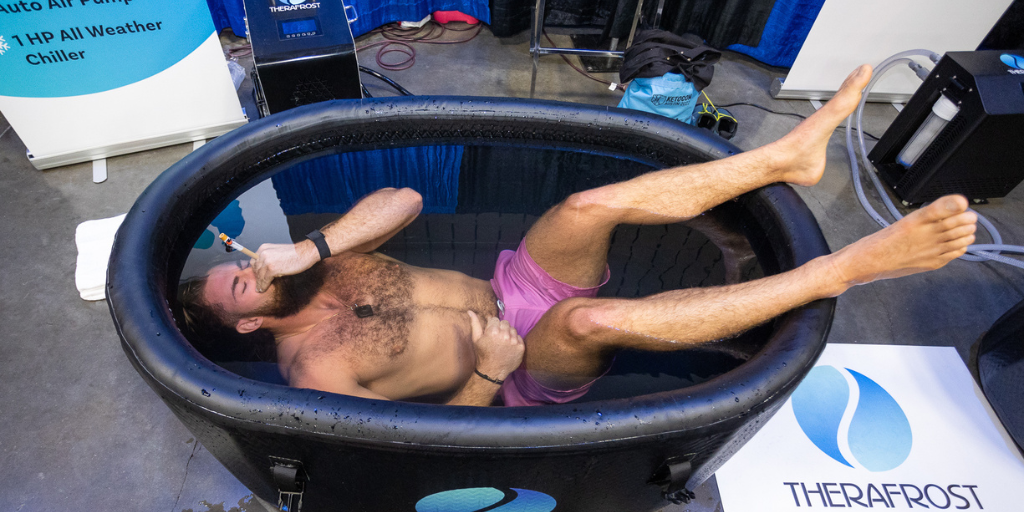
At its core, cold exposure places the body under a controlled form of stress.
When you step into cold water, your body immediately responds:
- heart rate changes
- breathing shifts
- adrenaline increases
- blood vessels constrict
- the nervous system becomes highly alert
And while that may sound uncomfortable, proponents of cold exposure believe this temporary stress may help the body become more adaptable and resilient over time.
In many ways, the body responds to cold similarly to how it responds to exercise.
It’s a short-term challenge designed to stimulate adaptation.
The Nervous System Conversation
One of the most interesting parts of the cold exposure trend is that many people aren’t necessarily chasing physical recovery alone.
They’re chasing regulation.
Modern life is incredibly stimulating:
- constant notifications
- endless scrolling
- chronic stress
- artificial light
- poor sleep
- nonstop mental input
A lot of people feel simultaneously exhausted and overstimulated.
And for some individuals, cold exposure becomes a way to intentionally interrupt that cycle.
The moment you step into cold water, your attention narrows immediately.
You’re forced to breathe.
You become present.
Your focus shifts entirely to the moment in front of you.
For many people, that mental reset becomes just as valuable as any potential physical benefit.
Cold Exposure, Recovery, and Inflammatory Response
One of the biggest reasons people explore cold exposure is because of its potential role in recovery and inflammatory response.
Cold therapy has long been used to help temporarily reduce swelling and discomfort after injuries or intense physical activity. Exposure to cold temperatures may influence circulation, recovery processes, and inflammatory signaling associated with physical stress.
Some individuals report improvements in:
- soreness
- stiffness
- recovery
- mobility
- overall well-being
Part of this may relate to changes in circulation and the body’s stress response, while part may also be connected to nervous system regulation and relaxation afterward.
And that’s important because chronic stress itself can influence inflammatory processes throughout the body.
Of course, cold exposure is not a cure or treatment for disease, and responses vary significantly from person to person. But the connection between recovery, stress regulation, and overall health is one reason this conversation continues to grow.
Potential Physical Benefits
Research around cold exposure is still evolving, but several potential benefits are commonly discussed, including:
- improved alertness
- increased feelings of energy
- temporary mood enhancement
- recovery support after exercise
- circulation changes
- stress adaptation
Cold exposure has also been associated with temporary increases in neurotransmitters like norepinephrine and dopamine, which are involved in alertness, motivation, and mood.
Some people report feeling:
- mentally sharper
- calmer afterward
- more energized
- more resilient to stress
Others simply enjoy the ritual itself.
That said, responses vary significantly from person to person.
Why People Become Drawn to It
What’s interesting is that many people who practice cold exposure regularly don’t talk about it like a recovery tool.
They talk about it like a practice.
A ritual.
A challenge.
A way to intentionally do something uncomfortable each day.
And in a world built around comfort and convenience, there may be something psychologically valuable about voluntarily stepping into discomfort for a few minutes.
Not because suffering is inherently good…
…but because resilience often develops through challenge.
For some people, cold exposure becomes less about “optimizing” and more about proving to themselves they can stay calm under stress.
Important Considerations
Cold exposure is not magic, and it’s certainly not required for good health.
It’s also not appropriate for everyone.
People with cardiovascular conditions, blood pressure concerns, circulation issues, or other medical conditions should speak with a healthcare professional before attempting intense cold exposure.
And like many wellness trends, more is not always better.
Longer and colder does not necessarily mean healthier.
For most people interested in experimenting with cold exposure, gradual exposure often makes the most sense:
- ending showers with cold water
- short cold plunges
- contrast therapy
- moderate, controlled exposure
Consistency and safety matter far more than extremes.
The Bigger Takeaway
The popularity of cold exposure may actually say more about modern life than it does about cold itself.
People are searching for:
- resilience
- recovery
- nervous system balance
- stress management
- mental clarity
- intentional practices that help them feel grounded again
Cold exposure happens to touch many of those conversations at once.
Not because it’s a miracle solution.
But because it represents something many people feel they’re missing right now:
A chance to slow down, become present, and intentionally challenge themselves in a controlled way.
At Hack Your Health, we believe wellness conversations are most valuable when people stay curious, explore different approaches thoughtfully, and avoid turning every trend into dogma.
Cold exposure may not be necessary for everyone.
But the larger conversation around resilience, recovery, inflammatory response, and nervous system regulation? That’s probably worth paying attention to.

Robin Switzer
Robin Switzer is the founder behind Hack Your Health, one of the largest health and wellness events in the U.S. After overcoming personal struggles with metabolic health issues, she turned pain into purpose by creating a trusted space where people can cut through the noise and misinformation in nutrition, fitness, and longevity. Blending science, education, and community, her movement has grown into an annual wellness conference featuring 60+ expert speakers, workshops, live demos, and a vibrant health expo—a hub for anyone ready to transform their health, optimize their wellbeing, and thrive at every stage of life.